
Functional Fitness and Staying Active
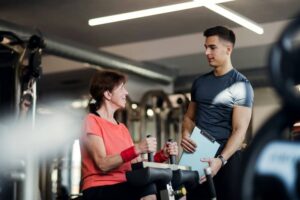
Functional fitness for seniors is an exercise approach designed to improve the ability to perform everyday activities safely and efficiently. It focuses on maintaining strength, balance, mobility, and coordination — key elements for preserving independence and reducing injury risk.
Functional training forms the foundation of many evidence-based programs for healthy aging. Research such as Aging With Strength: Functional Training to Support Independence and Quality of Life demonstrates how functional resistance training supports independence, movement efficiency, and overall quality of life in aging adults.
From stability training exercises to progressive weight training and safe exercise progression after common surgeries, functional movement integrates strength, balance, and real-life performance into one cohesive system.
What is Functional Fitness?
Functional fitness emphasizes training movement patterns rather than isolated muscles. Instead of focusing on a single muscle group, exercises replicate daily actions such as standing up from a chair, climbing stairs, carrying groceries, or reaching overhead.
These movements often involve multiple joints and muscle groups working together. The goal is not simply to build muscle, but to improve how the body performs in real-life situations — which is why many older adults ask, do you recommend seniors participate in weight training?
Benefits of Functional Training
Aging can take a toll on our bodies, leading to muscle weakness, chronic pain, and reduced flexibility. However, staying active through functional fitness can help older adults maintain independence, enhance quality of life, and promote overall well-being.
Functional fitness workouts offer numerous benefits:
Increased Strength and Endurance
Functional training engages multiple muscle groups simultaneously, building overall strength while improving coordination and movement efficiency. Rather than isolating individual muscles, this integrated approach develops practical, whole-body capacity that supports daily activities.
Research such as Effects of Resistance Exercise Programs on Older Adults: A Systematic Review and Meta-Analysis demonstrates that resistance-based programs significantly improve muscular strength, functional performance, and physical capacity in older adults.
These findings align with broader principles of strength training for all ages, which emphasize progressive overload, proper recovery, and safe adaptation over time.
Improving Flexibility and Mobility
Functional routines incorporate stretching and mobility work, promoting a full range of motion and reducing muscle stiffness.
Reducing the Risk of Falls
By improving balance, coordination, and agility — especially through focused stability training exercises — functional programs help prevent falls and related injuries.
Enhanced Daily Living
Functional training helps you perform everyday activities more efficiently and safely. Tasks such as lifting groceries, climbing stairs, or bending down become easier as your body adapts to these real-life movement patterns.
For individuals recovering from procedures such as joint replacements or abdominal surgeries, functional programming may also be carefully adjusted — particularly when exercising after common surgeries — to support safe reintegration into daily movement.
Promoting Overall Physical and Mental Health
Regular exercise supports confidence, cognitive health, and emotional well-being.
Common Functional Fitness Exercises
- Squats: Mimic the motion of sitting and standing, strengthening the legs and core.
- Lunges: Enhance leg strength and balance, simulating walking or climbing stairs.
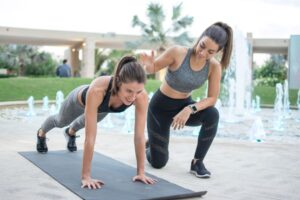
- Push-ups: Build upper body strength and core stability.
- Planks: Improve core strength and stability, essential for maintaining good posture.
- Deadlifts: Strengthen the back, glutes, and hamstrings, simulating the act of lifting objects off the ground.
When programmed correctly, these movements can be adapted to different fitness levels. If you’re unsure where to begin, understanding safe and effective exercises for seniors can help guide appropriate modifications and progressions.
Functional Training: A Smart Choice for Older Adults
For older adults, this approach is especially valuable. As we age, maintaining coordination, balance, and strength becomes essential for preventing falls and sustaining mobility.
A structured functional fitness program can:
-
Improve balance and stability
-
Support safe weight training progression
-
Enhance joint mobility
-
Build practical, everyday strength
By incorporating functional exercises consistently, seniors can maintain independence and confidence in daily activities.
Always consult your physician before beginning a new exercise program and seek guidance from a qualified personal trainer to ensure exercises are performed correctly and safely.
Take the First Step Towards Better Health Today!
Functional fitness isn’t about intensity — it’s about sustainability, safety, and staying capable for the life you want to live.
At Pledge To Fitness®, our personalized programs integrate functional movement, progressive strength training, and age-appropriate exercise design to help you stay strong, independent, and confident.
Contact us today to begin your path toward a healthier, more active life.
FAQs About Functional Fitness
Q1: What makes functional fitness different from traditional strength training?
Functional fitness focuses on improving movements you use in daily life, like lifting, bending, and balancing. Traditional strength training often isolates specific muscle groups, while functional fitness engages multiple muscles to improve overall coordination and movement efficiency.
Q2: Can functional fitness benefit older adults with limited mobility?
Yes! Functional fitness routines can be tailored to accommodate various fitness levels and mobility restrictions. Exercises can be modified to be performed sitting, standing, or with support, ensuring safety and effectiveness.
Q3: How often should I do functional fitness workouts?
Two to three times per week is a good starting point. This frequency allows your body to recover while building strength and endurance. A personal trainer can help design the ideal schedule based on your needs.
Q4: Are equipment or weights necessary for functional fitness?
Not always. Many functional fitness exercises rely on body weight, resistance bands, or light dumbbells. For beginners, minimal equipment is sufficient to see benefits.
Q5: Can functional fitness help with balance issues and fall prevention?
Yes! Functional exercises that focus on balance and core strength are key to preventing falls. Regular practice can improve stability and reduce the risk of injury.