Building Strength for a Lifetime
Hello, Bellaire and Houston, TX, fitness enthusiasts! Aging is a natural part of life, but who said getting older means sidelining your fitness goals? There’s a common misconception that as we age, rigorous exercises like weight training aren’t suitable. However, weight training for older adults can be an essential part of maintaining and even improving overall health. At Pledge To Fitness, we’re passionate about dispelling myths and setting the record straight: older adults can and should consider weight training!
Understanding Weight Work
When most people think of weight training, they might picture young athletes in a gym lifting heavy weights. But did you know that weight training for mature adults is becoming more popular? It’s true! Weight training is all about helping older adults build strength, stay active, and feel good. It’s not about lifting the heaviest weights but rather about staying healthy and maintaining muscle. For mature women who are just starting out, beginner weight training can seem a bit scary. But there’s no need to worry! Weight training routines can be designed to be safe and effective for everyone. Especially for mature women, weight training can offer great benefits like stronger bones and better balance. In short, whether you’re a man or a woman, young or old, weight training can be a fantastic way to keep your body strong and fit!
The Benefits of Weight Training
Weight training, often associated with younger athletes or those trying to bulk up, benefits older individuals significantly. It’s not about turning into a bodybuilder or aiming for extreme feats of strength. Instead, for older adults, weight work focuses on enhancing muscle strength, boosting bone density, and promoting overall well-being. By incorporating weight training routines into a regular fitness regimen, older individuals can safeguard against the risks of weakened bones and muscle loss that come with age. You might question if the approach should differ for older women, especially those just beginning. While each individual’s needs are unique, weight training can always be modified to suit any age or gender. Beginner weight training for mature women is not only safe but can also be highly advantageous. Specifically, weight training for women can help combat the effects of osteoporosis and ensure that muscle tone remains intact as the years go by. Adopting a suitable weight training routine can be a game-changer, paving the way for a more vibrant and active golden age.
Tailoring Workout Routines with Weights
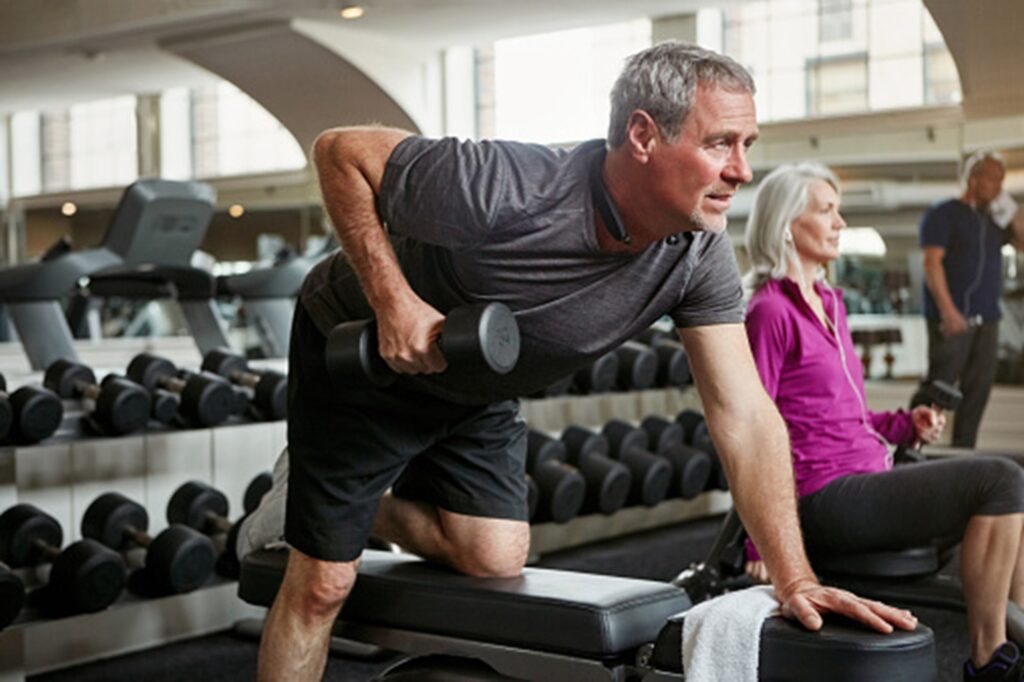
Every individual’s fitness journey is unique, especially when it comes to weight training. Recognizing this, Pledge To Fitness in Bellaire, TX offers customized weight training routines for older individuals ensuring each routine is safe, effective, and in alignment with the client’s goals. For example, an older individual who has never lifted weights might start with a gentle introduction using resistance bands or light weights, focusing on form and technique. But what if you’re looking to be more specific? What does beginner weight training for a mature woman look like? Generally, it would involve exercises that target all the major muscle groups but at a lighter weight, allowing for a focus on form, stability, and endurance. The workout routines could range from simple leg lifts with ankle weights to using dumbbells for bicep curls or overhead presses. With consistent training and guidance, older adults can progressively increase weights and challenge themselves, leading to even greater benefits.
The Perks of Weight Training
With the right guidance, commitment, and mindset, weight training can be an excellent addition to a any fitness regimen. Let’s dive into the many benefits of incorporating weight work into your fitness routines no matter your age:
- Strength and Endurance: Over time, our muscle mass naturally decreases. Weight training can counteract this, helping us maintain or even build muscle strength as we age.
- Bone Health: As we age, our bones can become more brittle. Free weights can aid in increasing bone density reducing the risk of fractures or osteoporosis.
- Improved Balance and Coordination: Strengthening muscles through weight training can help enhance balance, decreasing the risk of falls.
- Mental Well-being: Exercise, including weight training, has been shown to boost mood and alleviate symptoms of depression and anxiety.
FAQs About Weight Training for Older Adults
Q1: Is weight training safe for older adults?
Yes! With proper guidance, weight training is not only safe but highly beneficial for older adults. Starting with light weights and gradually increasing intensity ensures safety and effectiveness.
Q2: How often should older adults do weight training?
Two to three times per week is generally recommended, allowing for rest and recovery between sessions. However, it’s best to consult a fitness professional to tailor the frequency to individual needs.
Q3: Can weight training help with arthritis or joint pain?
Yes. Strengthening the muscles around joints can help reduce stress on the joints, often alleviating pain and improving mobility. However, proper form and appropriate exercises are crucial.
Q4: What is the best way to start weight training as a beginner?
Start with low-resistance exercises, like bodyweight movements or resistance bands, to focus on proper form. Gradually progress to light weights under the supervision of a trainer.
Q5: Do older women benefit from weight training differently than men?
Women benefit similarly, gaining muscle mass, bone density, and improved balance. Weight training is particularly effective for older women in combating osteoporosis and maintaining muscle tone.
Dive into a Healthier Future with Pledge To Fitness
Embracing a healthier lifestyle, irrespective of age, is always commendable. At Pledge To Fitness in Bellaire, TX, we’re here to guide and support you every step of the way. Whether you’re interested in weight training routines for older individuals or seeking personalized training programs, our dedicated team is eager to assist. Don’t wait another day to prioritize your health and well-being. Reach out, and let’s embark on a transformative fitness journey together! Dive into weight training and unleash a fitter, stronger, and more vibrant you. Connect with us at Pledge to Fitness today!